
Flea Prevention and Treatment for Dogs
How Do Dogs Get Fleas?
Dogs can pick up fleas through direct contact with an infested animal, but they more often encounter fleas in their surroundings.
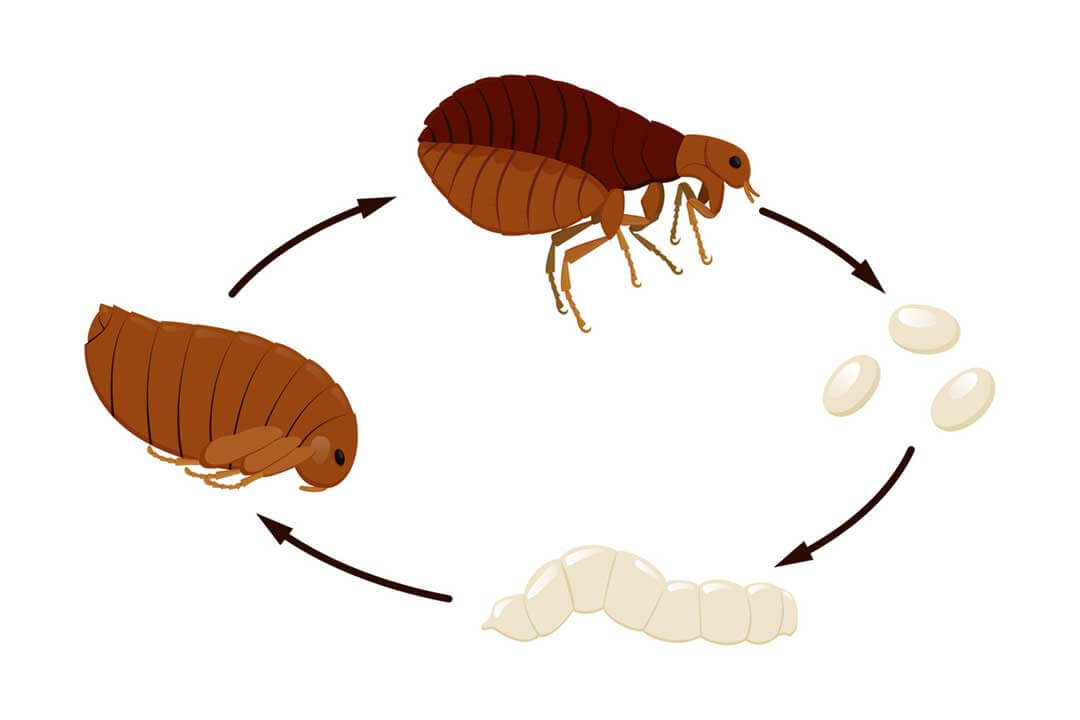
Fleas live and reproduce on a variety of animals, including dogs, cats, rabbits, ferrets, raccoons, opossums, and rodents. As adult fleas feed and lay eggs, those eggs fall off the host and into the environment. The eggs hatch into larvae, which feed on organic matter before developing into pupae inside protective cocoons. These pupae can remain dormant for weeks or even months until conditions are right for them to emerge as adult fleas.
Once adult fleas hatch, they seek out a host animal and begin feeding. After a blood meal and mating, female fleas can start laying eggs within just a couple of days, restarting the life cycle. In ideal conditions, the entire flea life cycle can be completed in as little as two weeks, though it may take much longer in less favorable environments.
Fleas thrive in warm, sheltered spaces, making homes with carpeting and central heating particularly attractive year-round habitats. Flea eggs, larvae, and pupae are most often found in areas where pets spend significant time, such as bedding, furniture, and carpeting. Because flea eggs are tiny and larvae often hide deep in carpets, furniture, and floor cracks, infestations often go unnoticed until adult fleas appear on pets.
How Do Fleas Affect My Dog?
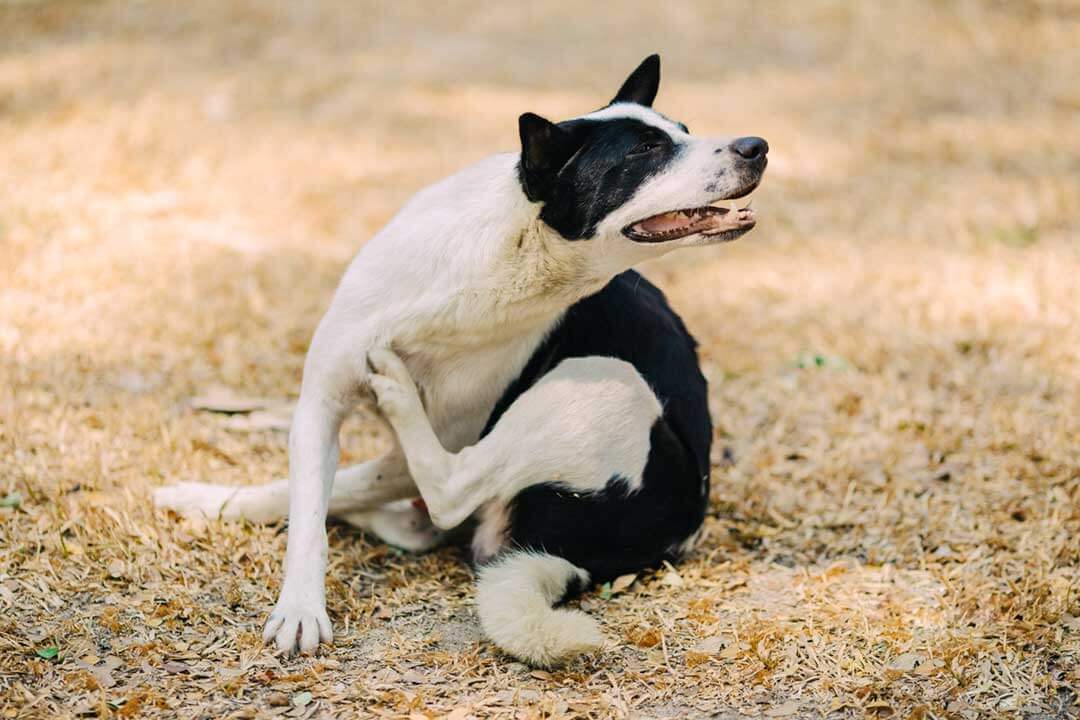
Fleas can cause significant discomfort and health issues for dogs. Many dogs are sensitive to flea bites, which can trigger intense itching, excessive scratching, hair loss, and scab formation, particularly around the base of the tail. If left untreated, this irritation can also lead to secondary skin infections.
You may notice tiny black specks in your dog's coat, commonly known as "flea dirt." These specks are flea droppings made up of digested blood and are often one of the first signs of an infestation.
Because fleas feed on blood, a heavy infestation can pose a serious risk, especially for puppies, senior dogs, or dogs with underlying health conditions. In severe cases, blood loss from flea feeding can lead to anemia.
Beyond skin irritation and blood loss, fleas can transmit diseases and parasites. One of the most common is tapeworm infection, which dogs can develop by ingesting infected fleas while grooming. As a result, dogs with flea infestations are often at risk for tapeworms as well.
Regular flea prevention and prompt treatment can help prevent these health problems and keep your pet comfortable year-round.
How Do I Treat My Dog for Fleas?
If your dog has fleas, consult your veterinarian for recommendations on the safest and most effective treatment options. A variety of flea-control products are available, including oral medications, topical treatments, shampoos, sprays, and powders. While some over-the-counter products may help, they can be less effective than veterinarian-recommended options.
Flea shampoos and powders can kill fleas present at the time of treatment, but they generally provide little residual protection. As a result, your dog can quickly become re-infested with fleas in the environment.
Many modern flea preventives offer longer-lasting protection and are administered monthly or even once every three months. Some products also protect against ticks, heartworms, and intestinal parasites, making them a convenient all-in-one solution. These treatments may contain ingredients that kill adult fleas, prevent immature fleas from developing, or both, helping to break the flea life cycle.
Always read and follow the product label carefully. Use flea-control products exactly as directed and apply them at the recommended intervals. Keep in mind that some flea medications formulated for dogs can be toxic to cats. Your veterinarian can help you select the most effective and appropriate flea-control program for your pets and home environment.
How Do I Treat Fleas in My Home?
To eliminate fleas, treat both your pet and the environment. Several products are available to target adult fleas, developing larvae, and other life stages to help break the flea life cycle, including:
- Household sprays that kill adult fleas
- Indoor sprays containing insect growth regulators (IGRs), which prevent immature fleas from developing into adults
- Professional pest-control treatments applied by licensed exterminators
When treating your home, focus on areas where fleas are most likely to live and develop. Begin by treating the entire house, then pay special attention to high-risk areas such as your dog's bedding, favorite resting spots, upholstered furniture, rugs, and carpeting. Because flea larvae avoid light and often hide deep in carpets, under furniture, and in cracks and crevices, move cushions, pet beds, and furniture to reach these hidden areas.
Flea eggs and pupae are particularly resilient and may survive many insecticide treatments. To help eliminate them, wash your pet's bedding regularly in hot water or replace heavily infested bedding. Frequent, thorough vacuuming of carpets, floors, furniture, and other soft surfaces can also remove many flea eggs, larvae, and pupae before they mature.
After vacuuming, promptly dispose of the vacuum bag or empty the canister outdoors to prevent fleas from continuing their development inside the vacuum. Vacuuming before applying household flea treatments can be especially helpful, as the vibrations encourage dormant fleas to emerge from their cocoons, making them more vulnerable to insecticides.
A combination of environmental treatment, regular cleaning, and veterinarian-recommended flea prevention is the most effective way to eliminate an infestation and prevent fleas from returning.
Should I Treat the Outdoor Areas Where My Dog Spends Time?
Because fleas are commonly found outdoors, keep your dog on a veterinarian-recommended flea preventive year-round. You can also help reduce flea exposure by discouraging wildlife such as raccoons, opossums, and other animals from visiting your yard, as they can carry fleas and contribute to infestations.
If your yard has a significant flea problem, consider an outdoor treatment that contains an insect growth regulator (IGR). These products help interrupt the flea life cycle and may need to be reapplied every 14 to 21 days, typically for three to five treatments. Focus applications on shaded areas, sheltered spots where fleas are most likely to survive, and any outdoor locations where your dog frequently rests or sleeps.
Keep in mind that outdoor flea-control products can affect beneficial insects and other wildlife. Before treating your yard, consult your veterinarian or a pest-control professional to choose the safest, most effective approach for your property and pets.
Are Flea-Control Insecticides Safe for My Dog and Family?
When used as directed, flea-control insecticides are generally safe for dogs, cats, and people. Follow all label instructions for safety and effectiveness.
Do not combine multiple flea-control products unless advised to do so by your veterinarian. Tell your veterinarian about any over-the-counter or prescription flea treatments your pets are receiving. When used properly, side effects are uncommon, and most pets tolerate these products well.
However, some animals may be more sensitive to certain flea-control products. This can include birds, fish, reptiles, amphibians, and certain invertebrates. If you have any of these pets in your household, consult your veterinarian before using flea-control products in or around the areas where they are housed.
Choosing the right product and using it as directed can help protect your pets and family while effectively controlling flea infestations.

I Noticed My Dog Had Fleas After Returning From Boarding. Did He Get Them There?
Not necessarily. While dogs can pick up fleas at boarding facilities, the fleas may have originated at home.
Flea pupae, the stage enclosed within a protective cocoon, can remain dormant for weeks or even months while waiting for a suitable host. If your family and pets have been away from home for an extended period, these pupae may stay inactive until conditions signal that a host has returned.
When people or pets come back home, vibrations from walking and increased carbon dioxide from breathing can trigger adult fleas to emerge from their cocoons. Newly emerged fleas quickly seek a blood meal and may jump onto dogs, cats, or even people.
As a result, a sudden appearance of fleas after boarding does not automatically mean your dog acquired them at the facility. In some cases, the infestation may have been developing in the home environment and only became noticeable once dormant fleas emerged after you returned.
Why Does My Dog Still Have Fleas After Treatment?
If your dog still has fleas after treatment, it doesn't necessarily mean the flea-control product has failed. In most cases, ongoing flea problems stem from inconsistent product use, incomplete treatment of the home environment, or continued exposure to fleas from other pets or infested areas.
Because flea eggs, larvae, and pupae can remain in the environment for extended periods, continue flea prevention for all pets in the household for several months after an infestation. This allows any remaining immature fleas to mature into adults and be eliminated when they come into contact with a treated pet.
Successful flea control requires a comprehensive approach that includes:
- Consistent use of a veterinarian-recommended flea preventive
- Treatment of all pets in the household
- Thorough cleaning and treatment of the home environment
- Minimizing exposure to untreated animals and flea-infested areas
While concerns about flea resistance are common, persistent infestations are more often linked to environmental factors and incomplete flea-life-cycle control than to product failure. Working closely with your veterinarian to choose an effective prevention strategy and maintaining it consistently can help eliminate the infestation and prevent future outbreaks.
To get help with your dog's fleas, contact South Hills Animal Hospital today. Don’t wait. Give your dog quick relief from fleas.